The Best Extra Large Pipe Wrenchs for Plumbing and Heavy-Duty Repairs
2026-06-16 15:55:54


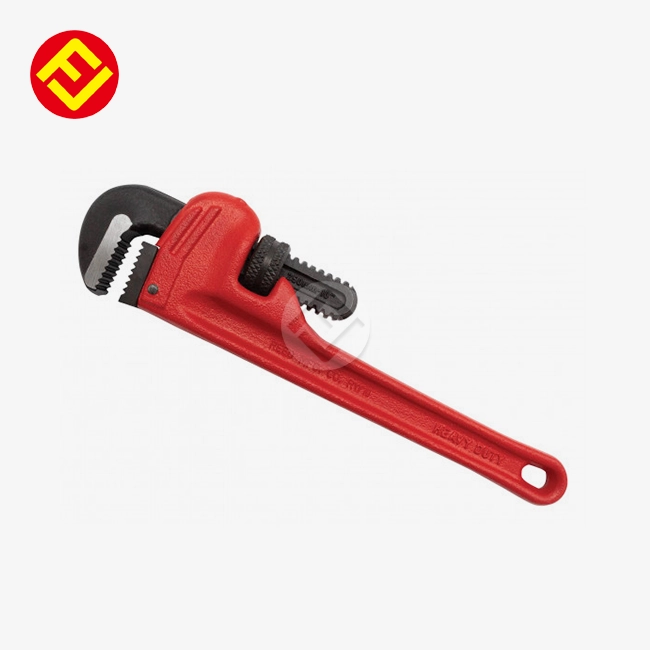
Choosing the right extra large pipe wrench is crucial when working with large-diameter pipes and high-torque applications because it can make or break your business. These specialised tools usually have handle lengths between 36 and 60 inches and jaw capacities greater than 5 inches. They give you the mechanical edge you need to break loose fittings, put together big industrial piping, and maintain important infrastructure without using hydraulics. It is important for procurement managers, site supervisors, and MRO teams to know the technical details and operating capabilities of heavy-duty pipe wrenches. This keeps workers safe and projects running smoothly in plumbing, construction, and industrial maintenance settings.


Understanding Extra Large Pipe Wrenches: Types, Benefits, and Usage
Heavy-duty pipe wrenches made for large-diameter jobs are very different from regular models because they have better structure engineering and material science. These tools use the lever concept along with a floating hook jaw mechanism to create a wedging grip that gets stronger as more torque is applied. This solves the problem of tools slipping on dirty or worn-down pipe surfaces.
Material Composition and Structural Design
There are two main ways that modern large-capacity wrenches are made. Models made of cast iron have ductile iron housings that make them very durable, while models made of aluminium are about 40% lighter without losing any power capacity. The jaws are made from Chrome Molybdenum or Chrome Vanadium alloy steel that has been heat treated in different ways to give the teeth Rockwell Hardness values of HRC 55–60 for good pipe grip and HRC 40–45 at the shank for resistance to shear stress.
The handle is usually made with an I-beam cross-section, which makes it stronger against breaking while also keeping the weight down. This engineering method solves the very important problem of handles breaking down during high-leverage tasks. Self-cleaning threads on the adjustment mechanism keep mud and debris from building up, so it can still work in tough field conditions like those found on construction sites and city utility work sites.
Adjustable Versus Fixed Jaw Configurations
Adjustable types are most common in industrial settings because they can be used with pipes of different diameters. The knurled adjustment nut makes it easy to change sizes quickly, which is important when working with different types of pipes. The "play" that was purposely added to the hook jaw is what makes it possible for the teeth to bite and wedge securely as the torque rises.
Even though extra-large fixed-jaw wrenches aren't very common, they are the strongest option for certain diameter jobs where absolute gripping power is more important than the ability to change. Knowing which setup fits your work style affects both how well the tool works and how much work gets done by workers.
Operational Benefits in Demanding Environments
Large pipe wrenches work great in places where power tools can't go or where they would be hard to transport. These tools are used by oil and gas drilling companies to connect drill strings in places where electric tools would be too dangerous because of the risk of sparks. When fixing municipal water mains, these wrenches are needed to turn heavy valves in narrow, wet ditches because they give more leverage. Manual tools are useful in chemical processing plants for fixing stuck joints when corrosive conditions make power tools unreliable.
The corrosion-resistant coatings that are put on tools during production make them last longer in coastal settings and humid factories. Regularly greasing the adjustment threads and storing things safely are all parts of proper maintenance that will help you get the most out of your investment and be ready for emergency fixes.
How to Choose the Right Extra Large Pipe Wrench: A Decision Support Framework
When buying large-capacity pipe wrenches, you have to weigh a lot of technical and practical factors. The conditions of the site, the specs of the pipes, and the frequency of use all affect which features of the tool are the most valuable.
Assessing Operational Requirements
Start by making a list of the pipe diameter sizes that your teams usually work with. A large pipe wrench with jaws that are 6 inches wide can handle pipes that are up to 5 inches in diameter, while models with jaws that are 8 inches wide can handle bigger industrial pipes. By matching capacity to real use, you can avoid both undersizing, which can cause the tool to fail, and oversizing, which adds weight and cost that aren't needed.
Material choice is affected by how often it will be used. Operations that need to be deployed every day benefit from aluminium construction, which keeps operators from getting tired during long shifts and high work. For situations with only occasional use, cast iron types may be the best choice because they last longer and cost less.
Evaluating Material Trade-offs
When compared to traditional cast iron, alloy steel construction offers better strength-to-weight ratios while still keeping the necessary hardness for good gripping. Heat treatment methods make things less likely to wear out, which extends their useful life in rough conditions. To make sure the quality of the manufacturing, procurement teams should ask for proof of the heat treatment specs and the results of hardness tests.
In heavy industrial settings, cast iron tools, especially those made from ductile iron, have been shown to be reliable. Their slightly higher weight gives them more momentum when the initial torque is applied, which is something that experienced techs who are working with badly corroded fittings really appreciate.
Compliance and Quality Standards
When buying things for industry, you have to follow certain rules. Tools that are GGG-W-651 Type II Class A standard for heavy-duty work shows that the material can handle torque loads of more than 3,000 ft-lbs without permanently deforming. Following ANSI B107 rules makes sure that measurements are correct and that the product works properly. Controlling the production process and meeting the requirements of the European market are shown by ISO9001 and CE certifications.
Some of the things that should be done as part of quality control are proof load testing at 125% of the stated capacity, magnetic particle inspection to make sure the casting is solid, and jaw hardness verification. These steps keep tools from breaking in terrible ways that put workers in danger and stop work.
Bulk Purchasing Considerations
Volume purchasing agreements are good for distributors and workers who outfit more than one crew. Standardising on certain models makes it easier to train people, keep track of parts, and do upkeep. If you negotiate with manufacturers who can keep their shipping schedules and make replacement parts available, you can avoid supply chain problems that could delay your project.
Warranty terms should be carefully thought through. Comprehensive coverage that addresses manufacturing flaws and early wear lowers the risk, especially in high-use settings where tool failure has high business costs.
Top Extra Large Pipe Wrench Models in 2024: Comparison and Reviews
The Products" target="_blank" style="color:blue" >products on the market now represent changing consumer needs for lighter materials, longer-lasting ones, and ones that are easier on the body. To make an informed choice, you need to know how the best choices compare across key performance dimensions.
Heavy-Duty Industrial Models
Advanced metalworking and precise machining are used to make professional-grade tools from well-known brands. Models made of forged alloy steel are very strong, and comfortable handle designs keep your hands from getting tired after long hours of work. Adjustable jaw systems with precisely milled teeth give you a firm grip right away, without slipping, which is unsafe and inefficient.
When compared to cast tools, forging tools have better grain structure, which means they are more resistant to pressure and last longer when loaded and unloaded many times. The precise cutting of adjustment threads makes sure that they work smoothly even when they are exposed to dirt and dust from the job site.
Lightweight Versus Traditional Construction
The emergence of aluminum-bodied wrenches addresses operator fatigue concerns without sacrificing functional capability. These designs maintain near-equivalent torque breaking strength to ductile iron while reducing transport burden and enabling single-handed positioning. Contractors working on elevated platforms and utility companies managing extensive infrastructure particularly value this weight advantage.
Traditional cast iron models continue serving applications prioritizing maximum durability and cost-effectiveness. Their proven track record in punishing environments provides confidence for procurement teams prioritizing long-term reliability over weight optimization.
Material Performance Characteristics
Alloy steel jaws treated to specific hardness ranges resist premature wear from repeated high-torque applications. The directionally-milled teeth angle optimizes initial bite, critical when working with mud-slicked or corroded pipes common in field conditions. Corrosion-resistant coatings applied to finished tools preserve surface integrity and maintain aesthetic appearance throughout years of service.
Cast iron housings provide thermal stability valuable in extreme temperature environments, neither becoming brittle in cold conditions nor losing temper in heat. This characteristic proves essential for tools stored in unheated facilities or used across diverse climate zones.
Brand-Specific Capabilities and User Feedback
Industrial users consistently report satisfaction with large pipe wrenches demonstrating robust construction, reliable adjustment mechanisms, and comfortable grip surfaces. B2B buyers emphasize the importance of replacement parts availability and responsive technical support when evaluating manufacturer relationships.
Field testing by maintenance teams reveals preferences for tools balancing adequate jaw capacity with manageable weight. The consensus among procurement professionals highlights that investing in quality manufacturing pays dividends through reduced replacement frequency and enhanced worker safety.
Procurement Essentials: Buying, Shipping, and After-Sales Support
Efficient acquisition processes require understanding sourcing channels, logistics considerations, and support infrastructure. Strategic procurement planning minimizes total cost of ownership while ensuring tool readiness.
Sourcing Channels and Supplier Evaluation
Direct manufacturer relationships offer advantages for bulk purchases, including customization options, competitive pricing structures, and streamlined communication regarding specifications and delivery schedules. Distributors provide value through consolidated ordering and local inventory, beneficial for smaller volume requirements or urgent replacement needs.
Evaluating supplier capabilities extends beyond pricing. Manufacturing capacity, quality management systems, and export experience indicate reliability for international procurement. Suppliers maintaining ISO9001 certification demonstrate process discipline supporting consistent product quality across production runs.
Pricing Structures and Volume Benefits
Large-capacity professional tools represent significant investments justified by their operational criticality. Procurement budgets should account for quality differentials, recognizing that premium manufacturing delivers superior performance and longevity. Volume purchasing arrangements typically unlock graduated discounts, improving unit economics for distributors and contractors maintaining extensive tool inventories.
Payment terms and financing options facilitate cash flow management for capital equipment acquisitions. Established manufacturers often accommodate structured payment schedules aligned with project billing cycles or seasonal revenue patterns.
International Shipping and Lead Time Planning
Cross-border procurement involves lead time considerations for production, quality inspection, export documentation, and ocean freight transit. Planning horizons of 60-90 days accommodate manufacturing schedules and shipping logistics, though expedited arrangements may address urgent requirements.
Shipping methods balance cost against delivery speed. Container shipments provide economy for volume orders while air freight serves time-sensitive needs. Clear communication regarding Incoterms establishes responsibility for freight costs, insurance, and customs clearance, preventing unexpected expenses.
After-Sales Support Infrastructure
Warranty policies reflecting manufacturer confidence in product durability provide risk protection. Comprehensive coverage addressing both manufacturing defects and premature wear demonstrates commitment to customer satisfaction. Understanding warranty claim procedures and response timeframes sets appropriate expectations.
Replacement parts availability ensures long-term tool serviceability. Manufacturers maintaining parts inventory for legacy models protect procurement investments, allowing organizations to standardize on reliable tools without obsolescence concerns. Technical support access provides troubleshooting assistance and application guidance, adding value beyond the physical product.
Conclusion
Selecting the best heavy-duty extra large pipe wrench demands careful evaluation of material construction, jaw capacity, weight considerations, and manufacturing quality. These specialized tools serve critical functions across plumbing, construction, industrial maintenance, and infrastructure applications where reliability directly impacts operational success and worker safety. Understanding the technical distinctions between cast iron and alloy steel construction, recognizing the value of proper heat treatment and quality certifications, and establishing relationships with capable manufacturers position procurement professionals to make informed decisions. The investment in premium tools manufactured to exacting standards delivers returns through enhanced durability, reduced replacement frequency, and the confidence that equipment performs reliably under demanding conditions. Strategic procurement balancing technical requirements with supplier capabilities ensures your teams maintain the tools necessary for efficient, safe operations across diverse heavy-duty applications.

FAQ
How Do I Determine the Correct Size for My Application?
Sizing large pipe wrenches requires matching jaw capacity to pipe diameter with adequate margin. A general guideline suggests jaw opening approximately 20% greater than maximum pipe diameter encountered, providing adjustment range while maintaining structural strength. Consulting manufacturer capacity charts correlates model specifications with specific pipe sizes, ensuring proper tool selection for your operational requirements.
What Maintenance Extends Tool Life?
Regular maintenance significantly impacts wrench longevity and performance reliability. After each use, wire-brush the teeth to remove debris, then lubricate adjustment threads with heavy machine oil to prevent seizing. Store tools in dry environments, applying rust inhibitor to unpainted steel surfaces before extended storage periods. Periodic inspection for jaw wear, handle integrity, and smooth adjustment operation identifies developing issues before they compromise functionality or safety. Replace worn components promptly rather than compensating with improper technique that risks injury or workpiece damage.
Should I Use an Extension for Additional Leverage?
Manufacturers explicitly caution against cheater bars or handle extensions, as they exceed design torque limits and may cause handle fracture or jaw failure. When additional leverage becomes necessary, selecting a larger wrench size provides the needed mechanical advantage while maintaining safety margins. This approach preserves tool integrity and protects workers from injury caused by catastrophic tool failure under load. Proper technique and correctly-sized tools eliminate the temptation for dangerous modifications.
Partner with FLA Industrial & Trading Co., Ltd. for Premium Pipe Wrench Solutions
Securing reliable heavy-duty tools from an experienced extra large pipe wrench manufacturer strengthens your operational capabilities and competitive positioning. FLA Industrial & Trading Co., Ltd. brings nearly four decades of manufacturing excellence to every tool we produce, backed by ISO9001 and CE certifications that validate our commitment to quality. Our alloy steel and cast iron pipe wrenches undergo rigorous testing including material composition verification, dimensional accuracy inspection, and torque capacity validation, ensuring each tool meets the demanding standards your projects require. With over 1,000 product specifications and trusted partnerships with Fortune Global 500 companies, we deliver the consistency and performance that procurement professionals depend on. Contact our team at sales@flaindustrial.com to discuss bulk purchasing arrangements, receive detailed technical specifications, and discover how our competitive pricing and comprehensive after-sales support can optimize your tool procurement strategy for sustained success.
References
American National Standards Institute. (2019). ANSI B107 Hand Tools - Wrenches: Safety and Performance Requirements. ANSI Publications.
Davis, M. and Thompson, R. (2021). Industrial Hand Tool Engineering: Material Science and Design Principles for Heavy-Duty Applications. Technical Press International.
Federal Specifications and Standards. (2020). GGG-W-651: Wrench, Pipe, Heavy-Duty Classification and Testing Protocols. U.S. General Services Administration.
Harrison, J. (2023). Procurement Strategies for Industrial Maintenance Tools: A Guide for Engineering Managers. Industrial Equipment Journal, Vol. 47, pp. 112-134.
National Safety Council. (2022). Safe Use and Maintenance of Large Pipe Wrenches in Industrial Environments. NSC Occupational Safety Division.
Peterson, L. and Chen, W. (2024). Heat Treatment and Metallurgy of Forged Tool Steel: Applications in Heavy-Duty Wrench Manufacturing. Materials Engineering Quarterly, Vol. 38(2), pp. 67-89.