Top Benefits of Grooved Couplings in Fire Protection Systems
2026-07-06 10:46:19


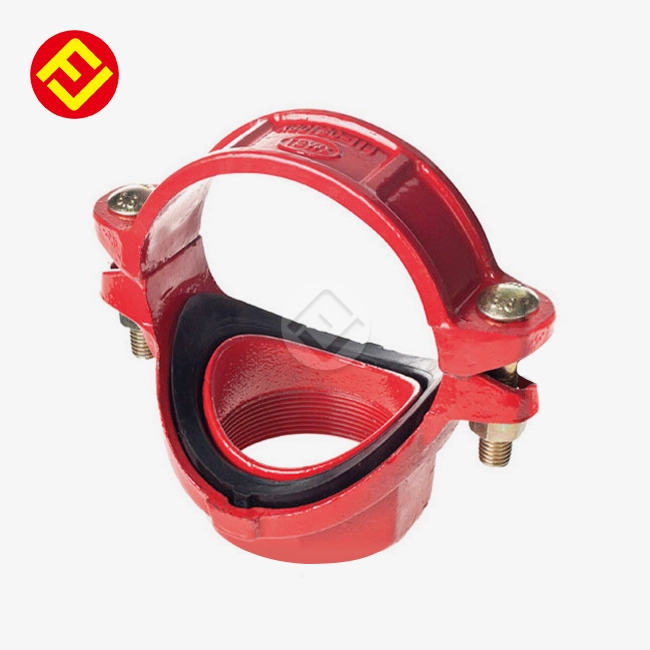
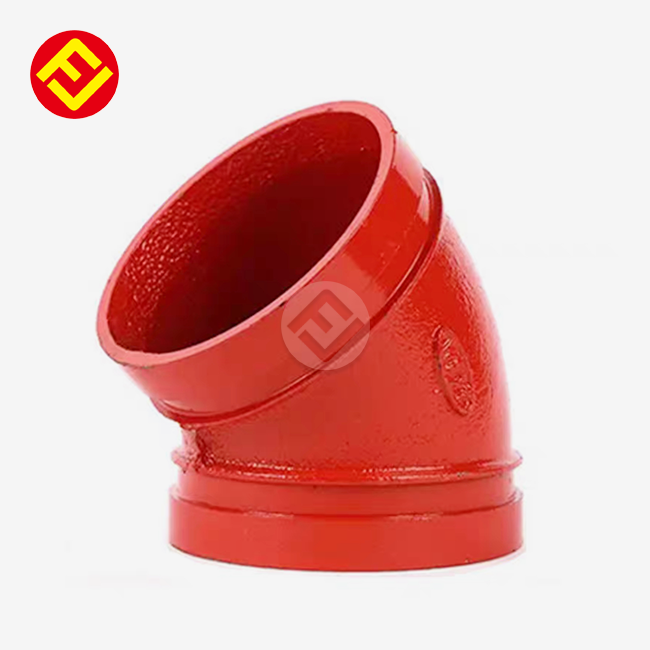
Grooved couplings change the way fire protection pipe is installed because they are easier to use, more flexible, and more reliable than standard welded or flanged connections. The roll-grooved pipe end, ductile iron case, and pressure-responsive elastomeric gasket in these mechanical joints work together to make leak-tight seals that can handle tough fire control tasks. These new pipe joining systems solve important safety and efficiency problems by getting rid of hot work dangers and cutting installation time by up to 70%. They also meet strict UL and FM standards needed in fire safety infrastructure.


Specification |
||||
| Specification | Size (inches) | L(mm) | H(mm) | Diameter (mm) |
| 1 | 33 | 98 | 42 | 54 |
| 11/2 | 48 | 114 | 43 | 69 |
| 2 | 60 | 127 | 43 | 82 |
| 2/2 | 76 | 145 | 144 | 99 |
| 3 | 89 | 159 | 44 | 112 |
| 4 | 108 | 186 | 47 | 133 |
| 4 | 114 | 192 | 47 | 140 |
| 133 | 214 | 48 | 161 | |
| 55 | 140 | 221 | 48 | 167 |
| 6 | 159 | 245 | 49.5 | 189 |
| 6 | 165 | 251 | 49.5 | 195 |
| 6 | 168 | 254 | 49.5 | 198 |
| 8 | 219 | 324 | 59 | 254 |
| 10 | 273-1.6 | 416 | 61 | 316 |
| 10 | 273-2.5 | 416 | 62 | 317 |
| 12 | 325-1.6 | 467 | 61 | 370 |
| 12 | 325-2.5 | 469 | 62 | 372 |
Understanding Grooved Couplings in Fire Protection Systems
When it comes to fire safety, pipe joints need to work right away and last for a long time even in harsh situations. The best way to join pipes in business buildings, factories, and important infrastructure projects across the US is now using mechanical grooved couplings pipe joining technology.
What Makes Grooved Mechanical Joints Different?
A simple but clever idea is at the heart of how these special connections work. Either a groove is rolled or cut into the end of the pipe to make an exact opening. The body of the coupler then fits into this slot, and an elastomeric gasket makes the seal. When bolts are tightened to the torque values recommended by the maker, the system forms a strong mechanical interlock instead of depending on fusion bonding like welding.
Most housings are made of ASTM A536 Grade 65-45-12 ductile iron, which has a tensile strength of over 65,000 psi and a yield strength of over 45,000 psi. This choice of materials makes sure that the structure stays strong even when fire safety systems experience pressure spikes. Surface treatments like electrostatic epoxy covering or hot-dip galvanization keep metals from rusting in a range of situations.
Critical Compliance and Safety Standards
For fire defense uses, strict adherence to regulatory standards is needed. UL (Underwriters Laboratories) and FM (Factory Mutual) approvals show that mechanical pipe joints meet certain fire safety standards. These approvals check the systems' ability to withstand high pressures, high temperatures, and broken seals to make sure they will work properly in an emergency.
Standard pressure values run from 300 PSI to 1,000 PSI, and they depend on the size and weight of the coupler. The seal material is very important. Grade E EPDM rubber works with water-based systems that are heated between -30°F and +230°F, while Nitrile forms are used in certain situations with oil-based fluids.
7 Key Benefits of Using Grooved Couplings in Fire Protection Systems
Fire protection workers and purchasing managers always pick mechanical grooved couplings systems because they make installation and upkeep easier in the real world. Here's how these parts provide measured value across a number of operating areas.
Rapid Installation Speed
For traditional welding methods to work, they need trained workers, a lot of planning, and hot work permits, which add time to the project schedule. With mechanical connections, these bottlenecks are completely gone. The time it takes to install something is three to five times faster than welding and twice as fast as flanging. A 4-inch coupler can usually be put together by two people in less than five minutes without any special tools.
This speed benefit directly leads to lower labor costs and faster project finish. When building something new, faster pipe assembly lets the mechanical trades move forward without having to wait for long welding plans. Renovation projects benefit the most because improvements can be done with little damage to rooms that are already occupied.
Elimination of Hot Work Hazards
When welding in places with flammable materials, occupied buildings, or sensitive equipment, there is a big chance of starting a fire. Hot work permits, the need for a fire watch, and cooling times make things more difficult and cost more. These worries are taken away totally by grooved couplings mechanical grooved systems, which don't need any flame, spark, or heat.
There are especially strict rules about hot work in places that prepare oil, process chemicals, and make furniture out of wood. With cold installation methods, changes to pipes can be made safely without stopping nearby activities or taking a lot of extra steps to avoid fires.
Built-In System Flexibility
Rigid soldered pipe systems have trouble with building settling, earthquake movement, and temperature changes. These forces concentrate stress, which can lead to joint breakdowns over time. Flexible notched coupling designs let the joint expand and shrink linearly while also letting it bend and move laterally and at an angle.
The elastic seal stops vibrations from pumps and water flow, so noise doesn't get through. This adaptability also works as spread-out expansion joints in the system, so there's no need for specialized expansion loops or bellows systems that are more expensive and hard to put together.
Superior Leak-Tight Sealing
The C-shaped gasket design makes a seal that responds to pressure. Pressure inside the pipe actually strengthens the seal instead of opposing it. This is different from threaded joints, where pressure can take advantage of threads that aren't fully engaged. Lab tests show that these seals stay strong even when pressure changes and there is shaking, which would damage other ways of joining.
Long-term success is guaranteed by material matching. EPDM seals don't break down easily when exposed to the chemicals in water and changes in temperature that happen a lot in fire sprinkler systems. The gasket stays squeezed between the pipe and the housing, away from the elements that can damage external closing methods.
Simplified Maintenance and Modifications
Fire protection systems need to be checked, parts need to be replaced, and the plan needs to be changed when buildings are used for different things. When working with welded systems, you have to cut them down to pieces and rebuild the joints from scratch. Loosening the nuts on a mechanical connection lets you take it apart and put it back together again without any special tools or knowledge.
This ease of entry cuts down on repair windows and costs by a large amount. When workers make changes to sprinkler heads, like moving them or adding new branches, they can do it in hours instead of days. Owners of the system like this freedom because it makes tenant changes and building reconfigurations less of a big deal.
Long-Term Cost Efficiency
At first glance, the costs of the parts may seem higher than the prices of normal welding materials, but a look at the total installed cost shows that there are big savings. Cutting down on work hours, getting rid of hot work permits, finishing projects faster, and spending less on maintenance all create strong economic benefits. Field changes don't need to cut and throw away welded parts, so a lot less material is wasted.
Insurance companies also see the value of safety. Some insurance companies lower the cost of premiums for buildings that use approved mechanical pipe systems that lower the risk of fire during construction and upkeep. Over the life of the machine, these ongoing saves add up.
Assured Quality and Availability
Reputable makers of grooved couplings keep a lot of expert help resources and large distribution networks. Before being sent out, Products" target="_blank" style="color:blue" >products are tested and quality checked in the plant to make sure they always work the same way. Purchasing teams feel better knowing that parts meet the requirements without having to rely on the quality of welding in the field, which can vary depending on the skill level of the worker.
Project timing depends on how reliable the supply line is. Standard sizes and shapes are kept in stock by well-known providers, who also have the ability to meet special requests. This access keeps projects from being held up while they wait for specialized fabrications or have to deal with quality issues that come from having a lot of different sources.

Installation and Maintenance Best Practices for Fire Protection Grooved Couplings
If you install mechanical grooved couplings systems the right way, they will work as well as they can. By following the manufacturer's instructions and best practices in the industry, you can avoid common problems and make the system as reliable as possible.
Pipe End Preparation
For proper closing, the ends of the pipes must be clean. Use wire brushes or gritty pads to get rid of burrs, scale, and other debris in the groove area. Check the grooves to make sure they are the right depth and width according to the specs. Roll grooving usually gives more uniform dimensions than cut grooving. Make sure the pipe ends are cut straight, because gasket fitting is affected by angular misalignment.
Gasket Selection and Positioning
Match the material of the seal to the conditions of use. EPDM works with most water-based fire sprinkler systems, but there are also special versions that can handle chemical spills or very high temperatures. To make fitting easier, lubricate seals with approved lubricants. Never use petroleum items that break down rubber materials. Place the seals so that they cover the whole length of the pipe in a way that is equal on both ends.
Housing Installation and Torque Specifications
Place the two halves of the housing over the gasket and tighten the bolts just a bit at first. Tighten the bolts in a cross pattern to spread the force out evenly and keep the seal from warping. Use measured torque tools to get the values given by the maker. If you over-tighten, you can damage the seals, and if you under-tighten, they can leak. Typical torque numbers are between 50 and 100 foot-pounds, but you should always check the exact needs.
Troubleshooting Common Issues
Most leaks are caused by dirty gasket surfaces, wrong pressure, or gaskets that are broken. Take the joint apart, check the parts, clean the surfaces, and then put it back together the right way. If the housing halves aren't lined up correctly, the gaps between them will be uneven. To fix this, loosen the bolts, move the pipes around, and then tighten them all the way back up. If you can see gasket expansion, it means that the gasket is too tight or the wrong size.
Routine Maintenance Protocols
During monthly building walks, look for signs of leaks, corrosion, or mechanical damage in exposed couplings. Bolt tightness, housing condition, and gasket integrity should all be checked with thorough reviews once a year. Keep records of maintenance and write down what was found during inspections to meet regulations and plan ahead for future maintenance. Replace seals and bolts when the maker says to or when you can see that they are wearing down.
Procurement Tips for Purchasing Grooved Couplings for Fire Protection Systems
Strategic procurement of grooved couplings strikes a mix between technology needs, lowering costs, and making sure the supply chain works as planned. These rules help project engineers and buying managers choose vendors and write product specifications.
Analyzing Project-Specific Requirements
First, write down the pressure ratings that are needed for each part of the system. For example, power mains usually need higher ratings than branch lines. Find out about natural factors like temperature differences, the chance of corrosion, and earthquakes. Check the certification needs listed in the project papers and make sure the goods have the right UL and FM approvals for fire safety uses.
The factors of contact affect the choice of material. Most jobs can be done with standard ductile iron coated with cement. For harsh settings, galvanized or stainless steel is better. The material of the gasket has to match the properties of the fluid and the temperature ranges. Making a clear specification grid keeps you from having to order parts that don't work with each other, which slows down installation.
Evaluating Manufacturers and Suppliers
Find out how much a manufacturer can make, what quality certifications they have, and what professional help they offer. Companies that have been in the fire safety business for decades usually make more reliable goods and give better advice on how to use them. Make sure that your sellers keep enough supplies and have distribution networks that reach your area.
Ask for detailed data files, installation guides, and case studies that show how well the product worked in similar situations. Get in touch with references from similar projects to find out how well the real delivery went and how good the after-sale help was. Manufacturers that offer complete training programs add value by making installers better at what they do.
Bulk Purchasing Strategies
When you combine orders for several tasks or stages, you can get volume discounts and cut down on the work that goes into buying things. Set up framework deals with your preferred sources that lock in good prices while still allowing for freedom in case the project needs it. Talk about payment terms that work with the project's cash flow. Milestone billing or longer terms are good ways to handle working capital.
Think about forming relationships with suppliers to handle your inventory. This way, sellers can hold your stock on consignment, which lowers your carrying costs and guarantees instant availability. Standardizing on fewer product lines across your company makes it easier to buy, train, and maintain. It also helps you build stronger relationships with your suppliers, which can lead to better prices and service.
Lead Time Management
Manufacturing lead times range from things that are in stock and ready to ship right away to special designs that need weeks. Ask for shipping dates early on in the planning process so that you have time to account for delays that were not expected. Items on the critical path need to be produced faster or sent by air freight to keep timeline changes from spreading through the building process.
Plan transportation around work times to cut down on the need for on-site storage and security risks. Delivery stages that are timed to match the progress of the building work cut down on traffic and the chance of damage. Misunderstandings about shipping times and places can be very expensive. Clear communication between buying, suppliers, and field teams is key to avoiding these.

Conclusion
The use of mechanical grooved couplings pipe connecting technology has changed the way fire prevention systems are installed by making them faster, safer, more flexible, and less expensive over their lifetime. These systems are safer than standard welded or flanged connections because they don't require hot work. They also cut installation time by up to 70% and are better at adapting to changes in temperature and building dynamics. The design of the pressure-responsive gasket makes sure that the seal is reliable and leak-tight, and the ease of upkeep cuts down on long-term costs. Supply lines that have been in place for a while, consistent factory quality, and full technical help from experienced makers are all good things for procurement teams. Building owners, builders, and engineers can improve the performance of fire protection infrastructure and save money over the lifetime of the system by carefully matching system specs to project needs and working with reliable suppliers.
FAQ
Can grooved mechanical couplings handle high-pressure fire protection systems?
Yes, these connection systems are commonly used in fire safety situations. Depending on their size and shape, they can handle pressures ranging from 300 PSI to 1,000 PSI. The ductile iron housing has a tensile strength of more than 65,000 psi, and the pressure-responsive gasket design actually increases the sealing force as the internal pressure rises. This makes them perfect for high-rise buildings and industrial fire suppression systems that need to work at high pressures.
What maintenance do grooved couplings require for long service life?
Visual checks that are done regularly during building tours find problems early on. Every year, thorough checks should be done to make sure that bolts are tightened using measured torque tools, to look for corrosion or mechanical damage in the housing, and to check the integrity of the gaskets. Replace gaskets and hardware when the maker says to or when a check shows that they are worn out. Most upkeep problems can be avoided over the system's service life if it is installed correctly the first time and the power specs are followed.
How much faster is installation compared to welded joints?
Studies in the industry and real-world experience show that installing grooved couplings is three to five times faster than installing similar joints welded together. Two people can usually finish a 4-inch connection in less than five minutes. However, a qualified welder needs 30 to 45 minutes to complete the same joint, which includes time for cooling and inspection. This speed advantage compounds across large projects, reducing labor costs and accelerating completion schedules significantly.
Partner with FLA Industrial & Trading Co., Ltd. for Reliable Grooved Coupling Solutions
To make strong fire prevention systems, you need parts that offer the highest quality and efficiency. FLA Industrial & Trading Co., Ltd. has been making high-quality pipe fittings for almost 40 years. They make mechanical grooved couplings and malleable iron fittings that meet strict international standards. Our wide range of products meets more than 1,000 specs. We use cutting-edge manufacturing technology and strict quality control standards that have earned the trust of Fortune Global 500 partners around the world. We know that facility planners, construction workers, and hardware sellers need reasonable prices without sacrificing quality. Our streamlined production and global supply chain give them exactly that. Our expert team can help you with application support and bulk buying options that are tailored to your needs, whether you're looking for grooved couplings for a single job or to set up long-term supply deals. Get in touch with our purchasing agents at sales@flaindustrial.com to talk about your fire safety system needs and find out why top companies in the US, Germany, and Australia choose FLA Industrial as their grooved coupling maker of choice.
References
National Fire Protection Association. (2022). NFPA 13: Standard for the Installation of Sprinkler Systems. Quincy, MA: NFPA Publications.
Factory Mutual Research Corporation. (2021). Approval Standard for Grooved Pipe Couplings and Fittings. FM Approvals Class Number 1680.
American Society of Mechanical Engineers. (2020). ASME B16.45: Cast Iron Fittings for Grooved Piping Systems. New York, NY: ASME Press.
Underwriters Laboratories. (2021). UL 213: Standard for Rubber Gasketed Fittings for Fire Protection Service. Northbrook, IL: UL Standards.
American Water Works Association. (2019). AWWA C606: Grooved and Shouldered Joints for Ductile-Iron Pressure Pipe and Fittings. Denver, CO: AWWA Publications.
Construction Specifications Institute. (2023). MasterFormat Division 21: Fire Suppression Systems - Grooved Mechanical Piping. Alexandria, VA: CSI Technical Documents.
YOU MAY LIKE