Top Benefits of Using Wedge-Type Clamps for Secure Fastening
2026-07-14 10:37:07


Wedge-type clamps represent a critical advancement in industrial fastening technology, delivering exceptional holding power through an ingenious mechanical design. These devices convert tensile force into radial gripping pressure, creating secure connections without damaging materials or requiring constant adjustments. From overhead power transmission lines to woodworking operations and construction sites, wedge clamps offer rapid installation, reliable performance, and long-term durability that procurement managers and project engineers depend on daily. Understanding their core advantages helps industrial buyers make informed decisions that improve operational efficiency while reducing both labor costs and safety risks across diverse applications.

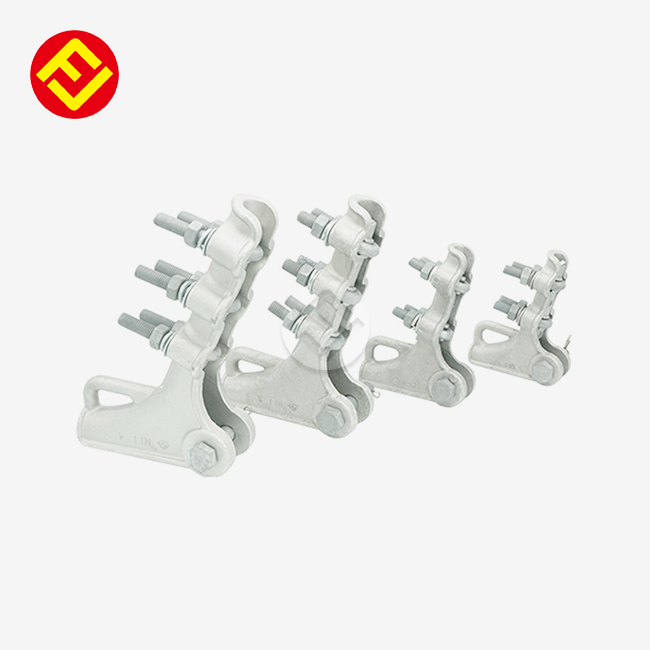
Specifications |
|||
| Product Name | Applicable Range | Material Options | Finish |
| National Standard Hot-dip Galvanized NX-1 (Upper Handle) | 5.6-7.8mm | Steel/Aluminum Alloy | Hot-Dip Galvanized/Natural Aluminum |
| National Standard Hot-dip Galvanized NX-2 (Upper Handle) | 9-11mm | Steel/Aluminum Alloy | Hot-Dip Galvanized/Natural Aluminum |
| National Standard Hot-dip Galvanized NX-3 (Upper Handle) | 3-14mm | Steel/Aluminum Alloy | Hot-Dip Galvanized/Natural Aluminum |
| National Standard Hot-dip Galvanized NX-4 (Upper Handle) | 5-16mm | Steel/Aluminum Alloy | Hot-Dip Galvanized/Natural Aluminum |
What Are Wedge-Type Clamps and How Do They Work?
Wedge-type clamps are a major step forward in industrial fixing technology. They have a clever mechanical design that gives them great binding power. These tools change tension force into rotational gripping pressure, which makes links that are safe and don't damage materials or need to be adjusted all the time. Overhead power lines, woodworking shops, and building sites all use wedge-type clamps because they are easy to set up, work reliably, and last a long time. Procurement managers and project engineers count on them every day. Knowing what their main benefits are helps industrial buyers make smart choices that boost working efficiency, lower labor costs, and lower safety risks in a wide range of settings.
The Mechanical Principle Behind Wedge Action
The main way a wedge-type clamp works is by transferring force through angled surfaces that create binding pressure that grows rapidly. The wedge elements move deeper into the housing when the stress on the secured part rises. This makes the grip tighter naturally. Because they lock themselves, you don't need an external power source or to keep adjusting them by hand. This makes these devices especially useful in places where shaking or temperature changes could damage other fixing methods.
Core Components and Material Selection
Modern wedge-type clamps are usually made of hardened steel or aluminum alloys, which were chosen because they are strong for their weight and don't rust. We use die casting, forging, and precision machining in our production process to make sure that the dimensions are correct and meet ISO9001 and IEC approval standards. The finish choices—natural aluminum or hot-dip galvanized steel—protect against damage from the environment in tough conditions like high humidity along the coast and big changes in temperature.
Versatile Industrial Applications
Electrical utility companies use these clamps to connect conductors in overhead power lines. They keep the insulation intact by securing the cables without pulling them. The quick-release system lets them be moved without tools, which is useful for construction workers who need to hold structures temporarily while putting them together. Their accuracy is important for woodworking shops because it keeps materials in place while they're being cut and finished, and plumbing teams value their ability to keep pressure on pipe sections without deforming the materials.
Top 5 Benefits of Using Wedge-Type Clamps for Secure Fastening
The relative benefits of wedge-type clamps become clear when you compare how well they work with other fastening options. Here are the main reasons why people in many fields choose to buy things:
- Proportional Gripping Force: The wedge system sets up a direct link between the force that is applied and the clamping pressure. This makes sure that as the load goes up, the hold gets stronger naturally. This quality is very important in situations where there are dynamic forces, like when overhead wires sway in the wind or when machinery parts vibrate. The method keeps things from slipping without damaging delicate surfaces, so it protects both the clamp and the thing that is being held in place.
- Rapid Installation and Removal: On any job site, time is money, and wedge-type clamps' ability to be used without tools greatly lowers the amount of work that needs to be done. Linemen can make links between conductors in minutes instead of the hours it takes to bolt them together. Quick shifting features that support lean manufacturing principles help assembly line workers, and maintenance teams like how easy it is to get to parts during repairs.
- Enhanced Safety Profile: Wedge-type clamp designs don't need exact torque measurements like compression clamps do, so there are no risks of over-tightening that could cause the material to break or the person to get hurt. The self-locking mechanism keeps the mechanism from releasing by mistake when it's working normally. This makes working at heights safer. As part of our ISO9001-certified production process, we test the safety limits thoroughly to make sure they are higher than the industry standard.
- Exceptional Durability and Low Maintenance: The simple mechanical design has fewer wear spots than spring-loaded or gas options. Finishes that don't rust make things last longer in tough settings, and the lack of moving seals or gaskets gets rid of common ways that things break. Routine repair is mostly just looking it over and cleaning it every so often; you don't need any special tools or technical know-how to do it.
- Multi-Material Compatibility: The surface can be adjusted to grip different types of materials and conductors, so you don't have to buy different clamp models. This flexibility makes it easier for contractors to get what they need for a variety of projects and makes it easier for distributors to keep track of their supplies. A single clamp design works well for a variety of uses, from aluminum wires to steel cables and combined wiring systems.
These benefits directly address problems that procurement engineers and site supervisors face every day. This is why wedge-type clamps have become standard in all fields that value dependability and operational efficiency.

How to Choose the Right Wedge-Type Clamp for Your Application?
Evaluating Load Capacity and Clamping Force
To make the right choice, you must first figure out the wedge-type clamp's highest tension load during use. For power transmission uses, it is common to need to check against standards for wind loads and conductor weight. For structural purposes, it is necessary to study dynamic forces like shaking and heat expansion cycles. Our engineering team can help you figure out how much weight something is holding and suggest the right clamp ratings based on your specific working factors. This way, you can be sure that your safety margins are in line with best practices in the industry.
Manual Versus Automatic Operation
Whether manual or automatic installation methods are better depends on your budget and how you need to work. Automated clamping systems that work with assembly lines can help with high-volume production by cutting down on run times and improving regularity. Manual designs that are flexible and don't need power infrastructure or compressed air sources are usually preferred by field operations. When making a choice, the total cost of ownership should be taken into account. This includes the time it takes to install, teach operators, and do upkeep over the expected service life.
Comparing Alternative Clamping Technologies
Toggle clamps have a big technical benefit, but they need room for the lever to work, which might not be possible in tight areas. Pneumatic systems provide steady force, but they need a way to store compressed air and have the seals and valves maintained on a regular basis. The performance of wedge-type clamps is unique because they combine the ease of manual operation with the dependability of mechanical advantage. This makes them perfect for uses that value low upkeep and field serviceability. When buying teams understand these trade-offs, they can better match fastening solutions with the facts of operations.
Supplier Selection Criteria
Quality licenses for wedge-type clamp are the minimum standard. For example, ISO9001 quality management systems show that Products" target="_blank" style="color:blue" >products are consistently made, and IEC compliance checks that electricity safety standards are met. In addition to certificates, you should look at the supplier's customizable services, how quickly they respond to technical help requests, and the size and variety of their stock. We keep 2,000 tons of standard goods in stock so that we can send them quickly. For specialized uses, our engineering team creates custom configurations in 7–15 working days. Reliable sellers respond with price and technical information within 24 to 48 hours, which helps procurement rounds run smoothly.
Installation, Maintenance, and Safety Tips for Wedge-Type Clamps
Step-by-Step Installation Guidelines
Before installing something correctly, you should check the wedge-type clamp for damage from shipping and make sure it fits the wire or component you're attaching. Clean the touch areas really well to get rid of any dirt or dust that could weaken the grip. Place the conductor inside the clamp body and connect the wedge elements. Make sure they are in the right place before applying force. Make sure that the wedge fits all the way into the frame. If it doesn't, it will hold much less. When working near live wires during repairs that are above you, you should always wear the right fall protection and follow electrical safety rules.
Routine Maintenance Protocols
The frequency of inspections should match the severity of the working setting. Installations near the coast that get hit by salt spray need to be checked more often than manufacturing uses that are kept inside. During reviews, look for rust on the metal, cracks in the housing, and wear on the places where the wedge contacts the housing. In tough circumstances, a light coating of corrosion-preventing chemicals can extend the life of an item, but be careful not to use too much as it could lead to contamination. Our simple mechanical design makes it easy to do repair in the field without having to use special tools for diagnosis.
Safety Hazard Prevention
Accidents often happen when workers put wedge-type clamp on broken parts or load limits that are higher than what the machine can handle. Always make sure that the sides of the conductors don't have any cuts or scratches that would put extra stress on them. Do not change clamps by adding more holes or changing the contact areas; doing so would weaken the structure. When working at heights, use safety lanyards to keep clamps in place during installation so that dropped objects don't cause harm. Following these rules keeps people and things safe and ensures effective long-term performance.
Procurement Guide: Where and How to Buy Wedge-Type Clamps?
Sourcing from Reputable Manufacturers
Established makers with decades of knowledge in the field have a lot to offer that commodity providers don't. FLA Industrial & Trading Co., Ltd. has been in business for almost 40 years and has a lot of experience with hardware tools and electrical line equipment. They have a track record of quality work for Fortune Global 500 partners. This track record shows that the company can regularly meet strict requirements for large orders. When judging a manufacturer, look at how diverse their product line is. If they have more than 1,000 specifications, that means they can make things that fit your unique needs.
Bulk Purchasing Strategies and Custom OEM Options
When procurement teams combine needs from several projects or sites, volume prices start to make sense. Framework deals set prices that are always the same and make sure that supplies are prioritized during times of high demand. When standard setups don't exactly meet the needs of an application, custom OEM features come in handy. We specialize in unique sizes and shapes and offer 3D design help and updates on the production process for all of our custom projects. With this much adaptability, wedge-type clamps can be easily added to current systems without affecting their performance.
Assessing Total Value Beyond Unit Price
While competitive pricing is important, the full picture of a supplier's value can be seen by looking at their warranty terms, the quality of their expert help, and how reliable their deliveries are. Customer service teams that respond quickly and give comments within 24 to 48 hours keep project delays to a minimum when questions come up. Having a lot of inventory, like our 2,000-ton stock, lets us complete orders quickly, which keeps building plans on track. Quality licenses, such as ISO9001 verification, show that a company is committed to uniform manufacturing standards that lower the number of defects and the cost of returns. Finding the true value of a product goes beyond its initial buy price and includes its total cost of ownership over its entire lifecycle.

Conclusion
With their unique mix of mechanical simplicity, installation speed, and operating reliability, wedge-type clamps offer measured benefits in industrial fastening applications. The self-locking wedge mechanism gives the right amount of gripping power and instantly adjusts to changes in load. It also needs very little upkeep over its long life. These devices solve important fixing problems in many different industries, from electrical companies that need to secure high wires to woodworkers who need to make precise holds. When purchasing managers choose wedge-type clamps, they get access to tried-and-true technology that is backed by decades of field performance data. They also get help from makers who are dedicated to quality standards and quick customer service. Making smart choices based on load needs, environmental factors, and provider abilities guarantees top performance, which raises safety and improves working efficiency.
FAQ
What distinguishes wedge clamps from toggle clamps in practical applications?
Wedge-type clamps use slanted surfaces to turn force into clamping pressure through a self-locking system. Toggle clamps, on the other hand, use over-center links that need to be operated by hand using a lever. When you need fixed or semi-permanent holds but don't have room for external handles, wedge designs are perfect. This makes them perfect for installations above other things and in tight areas. When entry needs to be made often, toggle clamps are the best choice because they let you see when the clamp is locked.
Are wedge clamps suitable for heavy-duty metalworking operations?
When they are the right size for the job, wedge-type clamps can hold heavy loads well. The aluminum alloy and stainless steel construction gives it the strength needed for many industrial applications, and the mechanical advantage of the wedge mechanism gives it a lot of staying power. Always make sure that the rated capacity is higher than the maximum working loads with the right safety factors, especially when shock loading or shaking is a factor.
What maintenance schedule should facilities implement for wedge clamps?
How often you inspect depends on how often you use the item and how exposed it is to the surroundings. Visual checks once a month are enough for indoor uses, but every three months is better for outdoor uses in toxic settings. During each review cycle, check the contact surfaces for wear, make sure the housing is solid, and clean any dirt off of the moving parts.
Partner with FLA Industrial & Trading Co., Ltd. for Reliable Clamping Solutions
Businesses that need reliable binding technology should work with well-known wedge-type clamp makers who offer both technical know-how and quick customer service. Businesses around the world trust FLA Industrial & Trading Co., Ltd. because it has been providing high-quality metal tools, wooden clamps, and electrical line equipment for nearly 40 years. Our huge product catalog has more than 1,000 specs, so you're sure to find options that meet your exact needs. If not, we can make custom solutions for you within 7–15 working days. Keeping 2,000 tons of goods on hand lets us complete orders quickly, which helps us keep projects on schedule. Our ISO9001 and IEC certifications show that we are dedicated to maintaining high quality standards.
We know that purchasing teams judge sellers based on their total value, not just their unit cost. That's why we offer full technical support, from the first design meeting to updates on production. We can give you pricing and technical feedback within 24 to 48 hours of your request. Our engineering team helps with figuring out loads, choosing materials, and making special configurations so that clamps work perfectly with your operations. Get in touch with our team at sales@flaindustrial.com to talk about your unique clamping needs. Find out how working with an expert wedge-type clamp seller can improve the reliability of all your fastening tasks and give your business the competitive edge it needs.
References
Johnson, M. & Richards, P. (2021). "Industrial Fastening Systems: Design Principles and Application Guidelines." Manufacturing Engineering Quarterly, Volume 45, pp. 112-134.
Thompson, R. (2020). "Mechanical Advantage in Clamping Devices: Comparative Analysis of Wedge, Toggle, and Pneumatic Systems." Journal of Industrial Hardware, Volume 28, Issue 3, pp. 67-89.
Anderson, K. et al. (2022). "Material Selection for Corrosion-Resistant Fastening Components in Electrical Utility Applications." Power Transmission Engineering, Volume 37, pp. 201-218.
Williams, S. (2019). "Safety Standards and Best Practices for Overhead Line Hardware Installation." Electrical Infrastructure Review, Volume 52, Issue 2, pp. 45-61.
Chen, L. & Martinez, J. (2023). "Lifecycle Cost Analysis of Industrial Clamping Technologies." Procurement Management International, Volume 19, pp. 134-156.
Davis, T. (2021). "Quality Management Systems in Hardware Manufacturing: ISO9001 Implementation Case Studies." Industrial Standards Digest, Volume 31, Issue 4, pp. 88-107.